This year I’ve been consumed by Indian art but I thought I’d take my mind off and do what I’ve largely been passionate about in my life before my discovery of my passion in Indian art – work on music and film, and I’ll start here with this article.
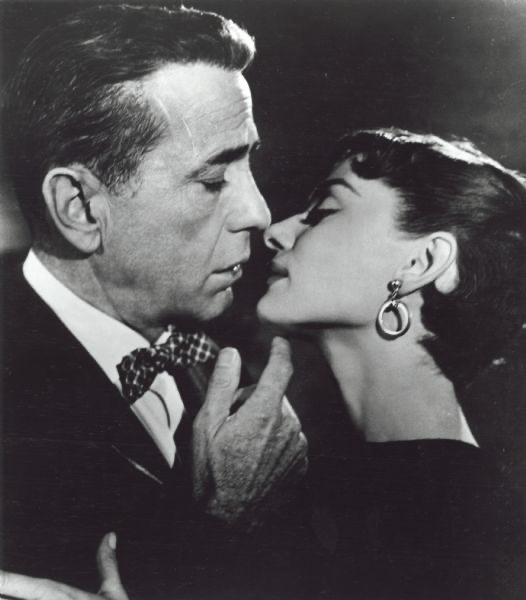
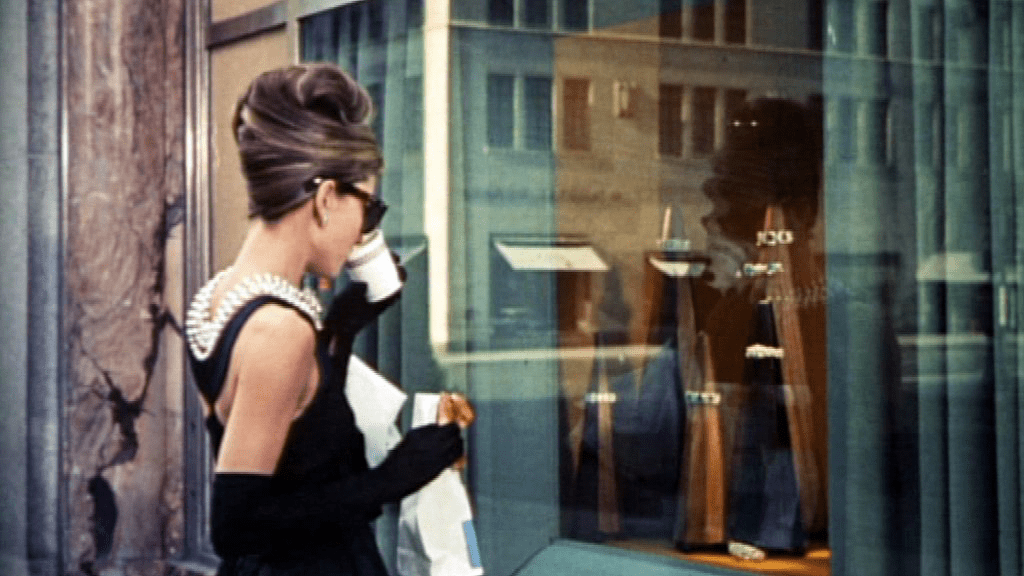
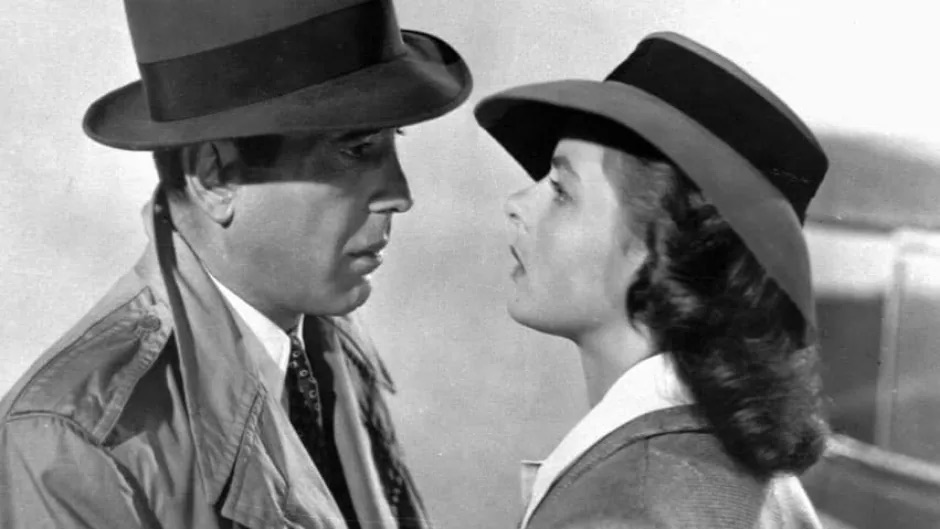
Old Hollywood romances you as it shows romance, with strong violin taking center in warm analog tunes with a quality that seems timeless, probably as we’ve started to associate them as such because of these iconic films and songs. These films tend to create a strong focus on these romantic characters that tend to be used with the same actors in similar films repeatedly, creating this aura and image of them that you associate with them. I’ll focus on some key actors in the post WW2 romantic movie scene – Audrey Hepburn, Humphrey Bogart, Julie Andrews, and Christopher Plummer. With Audrey Hepburn, that image is of elegance in dress, jewelry & stature, liberated mindsets, city romance, sets of ornate architecture and decor, and her gentle, regal countenance that drew in fans. The films follow a theme of forlorn young lovers who endure in the face of societal pressures, not much different than any classic love stories. Audrey Hepburn tends to inhabit these free-minded lover troupes that frequently operate outside the routine of day-to-day lives with a liberated mindset that comes off as whimsical charm, notably shown in Breakfast at Tiffany’s, Roman Holiday, and Sabrina, speaking to the romantic in viewers. The men complement her in the films – such as George Peppard and Humphrey Bogart, with refined, well-groomed hairstyles, elegant outerwear, and a glint in their eyes. These films are commonly in New York, as a lot of films from this era inspired the New York romance in our minds as we see it today, whether in our own pictures of New York or of romance films of the 21st century. Another such example outside of this, while not in New York, is The Sound of Music with the charming Christopher Plummer and beaming Julie Andrews.
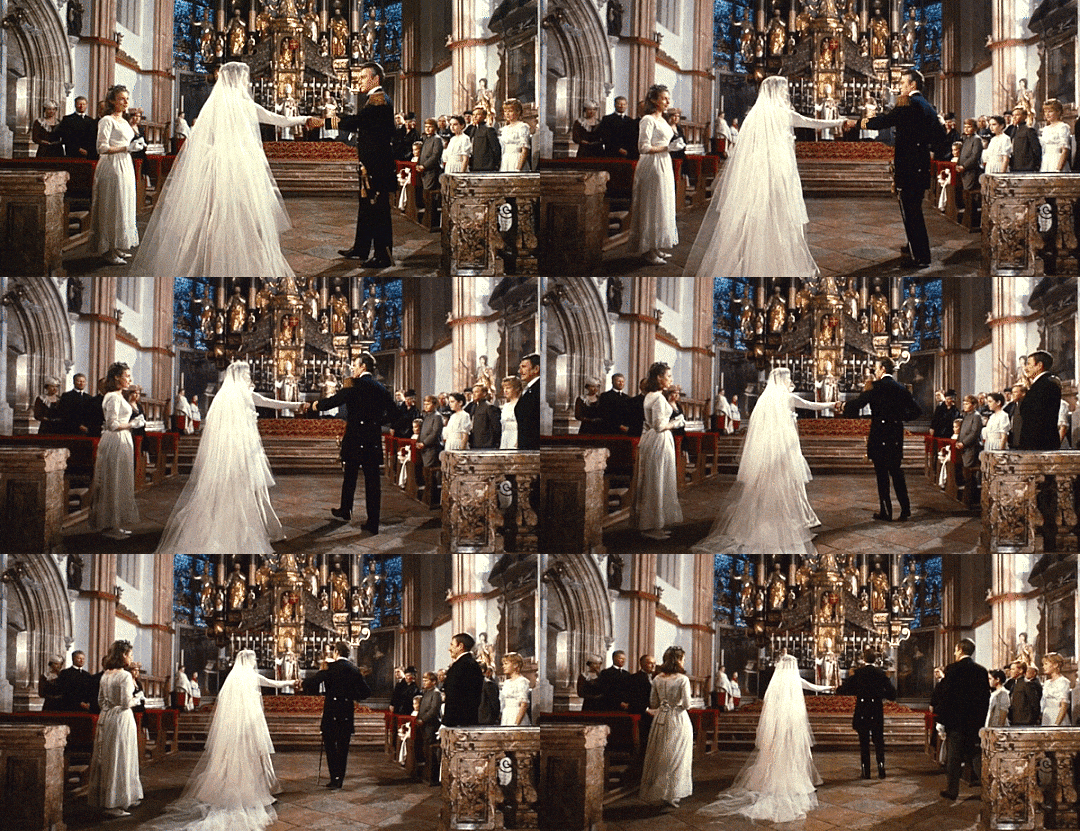
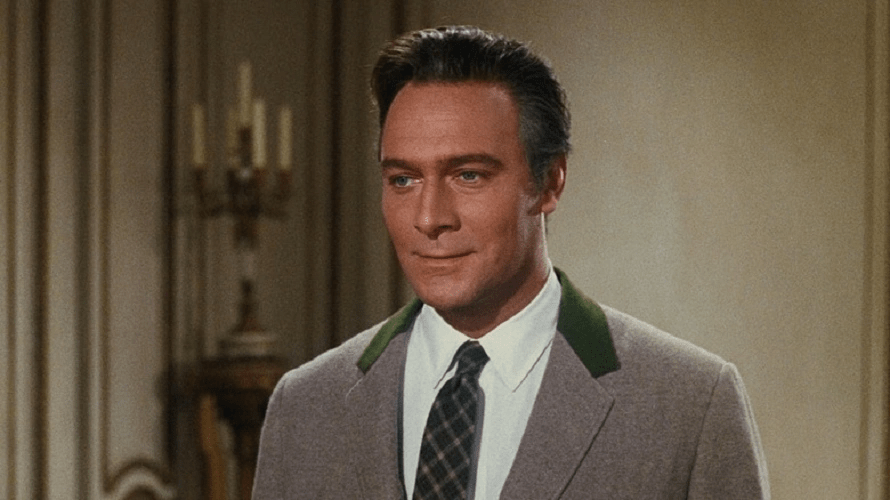
Christopher Plummer, in particular tended to lean towards commanding, intellectual roles, less so in romantic ones, but his resume of commanding and intellectual characters, such as in The Fall of the Roman Empire (1964), lent him the perfect image for Captain Von Trapp, while Julie Andrews had a history of playful, beaming roles such as Mary Poppins (1964) and Thoroughly Modern Millie (1967).
As for Audrey Hepburn, her resume is filled with many, many romances, with her ability to show sophisticated romance in the center, as is with Roman Holiday, wearing a crown and regal jewelry in her portrayal of a princess, on brand for her roles as a refined American romantic:
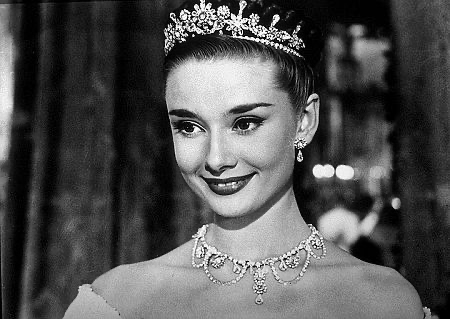
As such, she’s often fitted with elegant dresses and jewelry, such as her iconic black dresses of Breakfast at Tiffany’s and Sabrina, wearing pearls, diamonds, and the like, signifying sophistication and distinction to viewers. Her hairstyles complement these elements, giving her an air of refinement, as with her iconic black and gold cigarette. Audrey Hepburn’s romances are surrounded and supported by its scores, as if the songs themselves are pillars carrying the aura of romance in the films. Take another Audrey Hepburn movie, The Unforgiven – the songs use lots of treble in waves, giving them an ethereal, wavy feeling of resonance between low and high scales, emphasizing the high notes. I’d suggest listening to this to hear what I’m talking about while you read.
These songs use lots of slow, deliberate vibrato, as all songs in that era do, whether it’s with strings, sax, voice, etc. Her most most notable featured songs I’ve experienced so far that come to mind embodying these elements, while in New York, might be La Vie en Rose in Sabrina (1954):
and Moon River of Breakfast at Tiffany’s (1961). Moon River by Henry Mancini, a prolific film composer from the era, has the same resonating waves, with the added choir that create an ethereal effect.
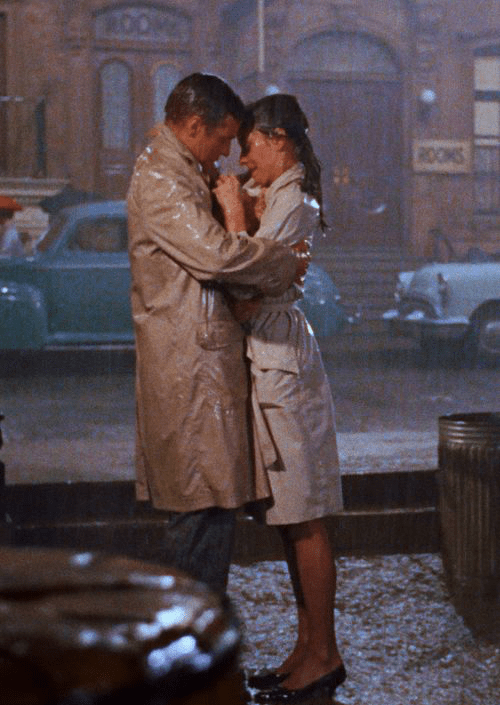
The la Vie en Rose composition has a similar effect, enchanting – as the song itself is originally playful, while the movie composition uses reverberating sax and violin ensembles with a background of a symphony to create a soft and timeless romantic essence that we experience through these films.
Listen to Henry Mancini’s Moon River and picture romantic New York in the 60s, and you’ll get to where I am. Watch a few of Audrey’s movies while you’re at it.

Leave a comment